

How to Extend the Life of Your AC System
While Florida’s climate is demanding, proper care can extend system lifespan.
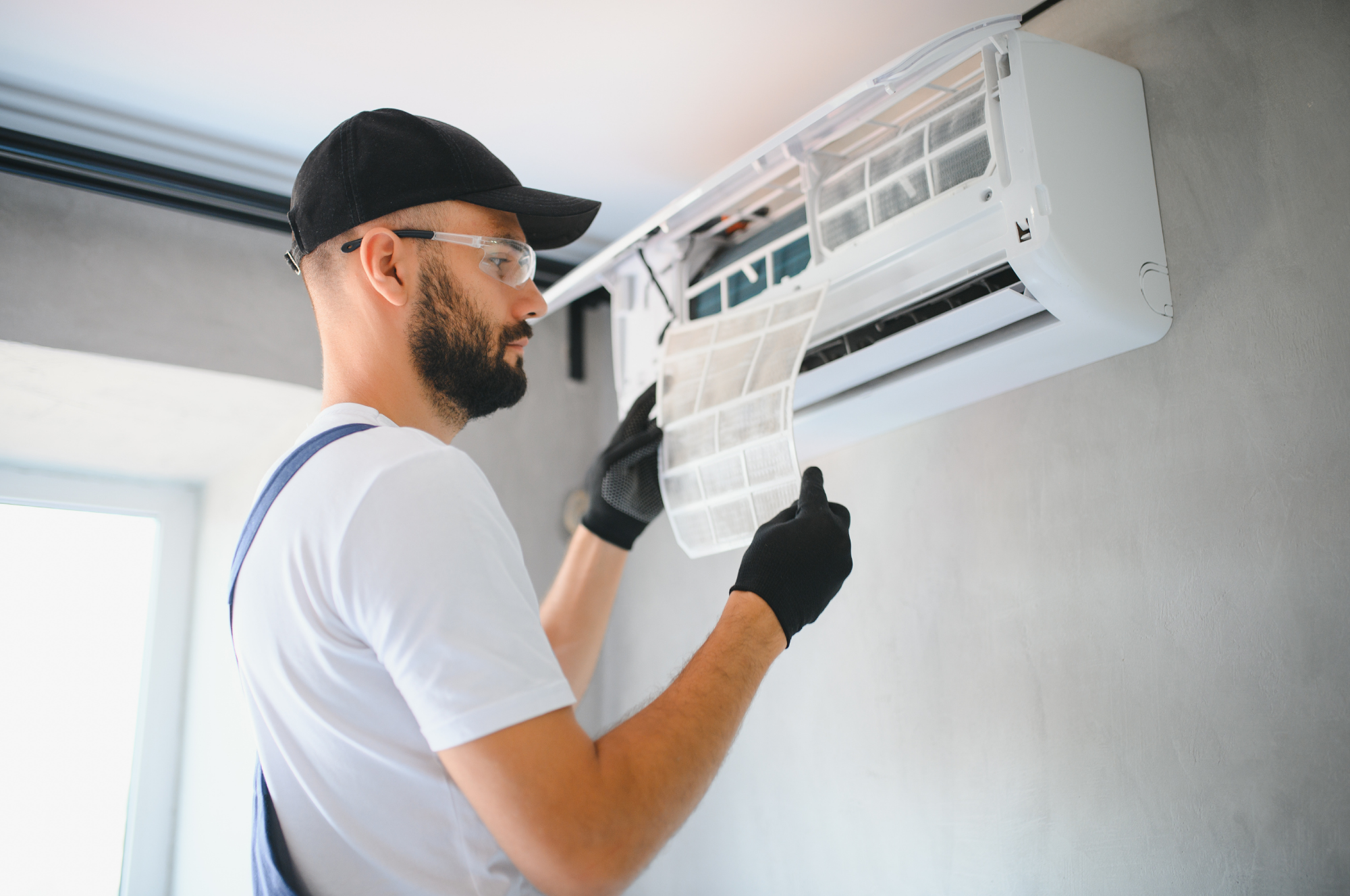
Regular maintenance is the most important factor. Annual inspections allow technicians to identify worn parts early.
Changing air filters frequently improves airflow and reduces system strain.
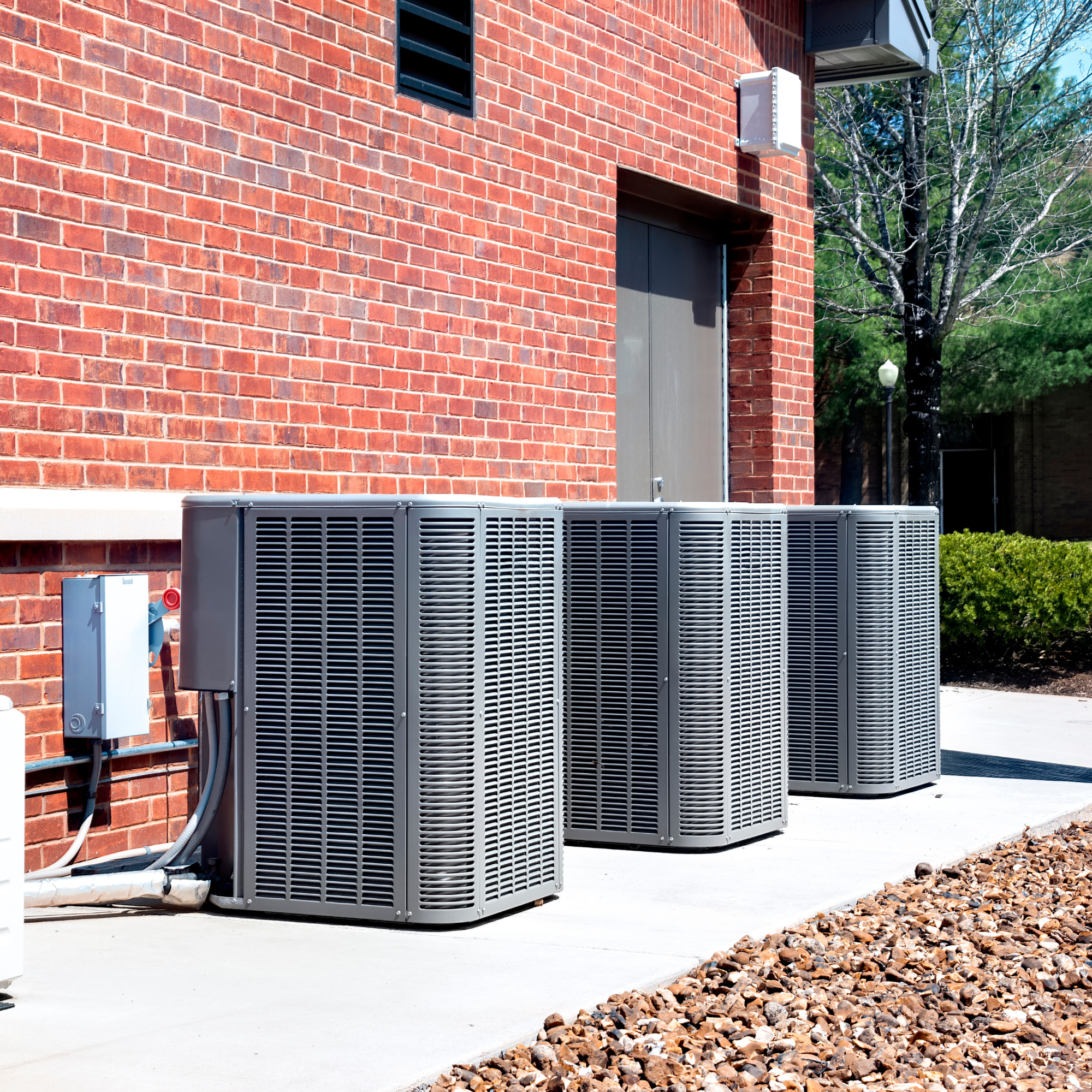
Keeping outdoor units clean and free from debris prevents overheating.
Installing smart thermostats can reduce unnecessary system operation.
These simple steps can add several years to an AC system’s lifespan.
Cost Considerations for AC Replacement in Florida
Replacing an AC system represents a major investment, but it also offers long-term savings.
New high-efficiency systems reduce energy consumption and provide better indoor comfort.
Modern units also include advanced humidity control, quieter operation, and improved reliability.
While upfront costs may seem high, long-term energy savings often offset replacement expenses.
Why Professional Evaluation Matters
Every home and system is different. Factors such as home size, insulation quality, and usage patterns influence system lifespan.
Professional technicians can assess system condition, efficiency levels, and repair history to recommend the best course of action.
Early evaluation helps homeowners plan replacement before emergencies occur.
Questions and Answers
How often do you have to replace AC in Florida?
Most systems require replacement every 10 to 15 years due to constant usage and climate conditions.
Can maintenance extend AC lifespan?
Yes. Regular maintenance significantly reduces wear and prevents major failures.
Is it worth repairing an older AC system?
Repairs may be worthwhile for newer systems, but replacement often becomes more economical for older units.
Why do AC systems fail faster in Florida?
Continuous operation, high humidity, and salt air exposure accelerate component wear.
What is the biggest sign an AC needs replacement?
Frequent breakdowns combined with rising energy bills usually indicate system decline.
Final Thoughts
Knowing how often you have to replace AC in Florida helps homeowners prepare financially and avoid unexpected failures. Because of the demanding climate, systems require more frequent replacement than in most other regions.
Routine maintenance, early problem detection, and professional guidance remain the most effective ways to maximize system lifespan and maintain indoor comfort.
Need Help With Your AC System?
If your air conditioner is aging, struggling to cool, or requiring frequent repairs, professional evaluation can help you decide whether repair or replacement is the best option.
City Air Conditioning Solutions provides expert inspections, maintenance, repair, and system replacement services across South Florida.
 Visit: https://cityacs.com
We are ready to restore your comfort, day or night.