
How Often Do You Have to Replace AC in Florida: Lifespan Guide for Homeowners

In Florida, air conditioning is not just a comfort feature. It is a necessity that runs almost every day of the year. Because of the intense climate, AC systems in Florida wear out much faster than those in cooler regions.

Understanding how often you have to replace AC in Florida helps homeowners plan ahead, avoid emergency breakdowns, and protect their investment.

This guide explains how long systems typically last, what shortens their lifespan, and how to know when replacement becomes the smartest decision.

Average Lifespan of an AC System in Florida

Most air conditioning systems in Florida last between 10 and 15 years. This is significantly shorter than the national average of 15 to 20 years.

The reason is simple. Florida’s climate forces systems to run almost continuously. Instead of seasonal operation, AC units here function year-round, which accelerates wear on major components.

Humidity also adds strain because systems must remove moisture while cooling air. This extra workload reduces overall lifespan.

Why AC Systems Wear Out Faster in Florida

Several environmental factors shorten AC lifespan in Florida.

Constant Usage

Systems run nearly every day due to high temperatures and humidity levels. Continuous operation increases stress on compressors, motors, and electrical parts.

High Humidity Levels

AC units must remove moisture while cooling. This additional work forces components to operate under heavier strain.

Salt Air Exposure

Homes near coastal areas experience salt corrosion on outdoor units. Salt accelerates rust and damages coils and metal components.

Poor Maintenance Habits

Systems that do not receive regular maintenance fail much sooner than those serviced routinely.

Signs Your AC May Need Replacement Soon

Recognizing warning signs early can prevent unexpected breakdowns.

Frequent Repairs

If your system requires constant repairs, replacement may be more cost-effective than continued servicing.

Rising Energy Bills

Older systems lose efficiency over time, causing noticeable increases in electricity costs.

Uneven Cooling

Rooms that remain warm or experience inconsistent temperatures may indicate system decline.

Strange Noises or Odors

Grinding sounds, rattling, or burning smells often signal internal component failure.

Age Over 10 Years

Once systems reach a decade of operation in Florida, replacement planning should begin.

Repair vs Replacement: How to Decide

Many homeowners struggle to determine whether repair or replacement is the better option.

A common guideline is the 50 percent rule. If repair costs exceed half the value of a new system, replacement is typically the better long-term investment.

Newer systems also provide improved energy efficiency, lower operating costs, and better humidity control.

Professional inspections can help homeowners determine the most cost-effective solution.

How to Extend the Life of Your AC System

While Florida’s climate is demanding, proper care can extend system lifespan.

Regular maintenance is the most important factor. Annual inspections allow technicians to identify worn parts early.

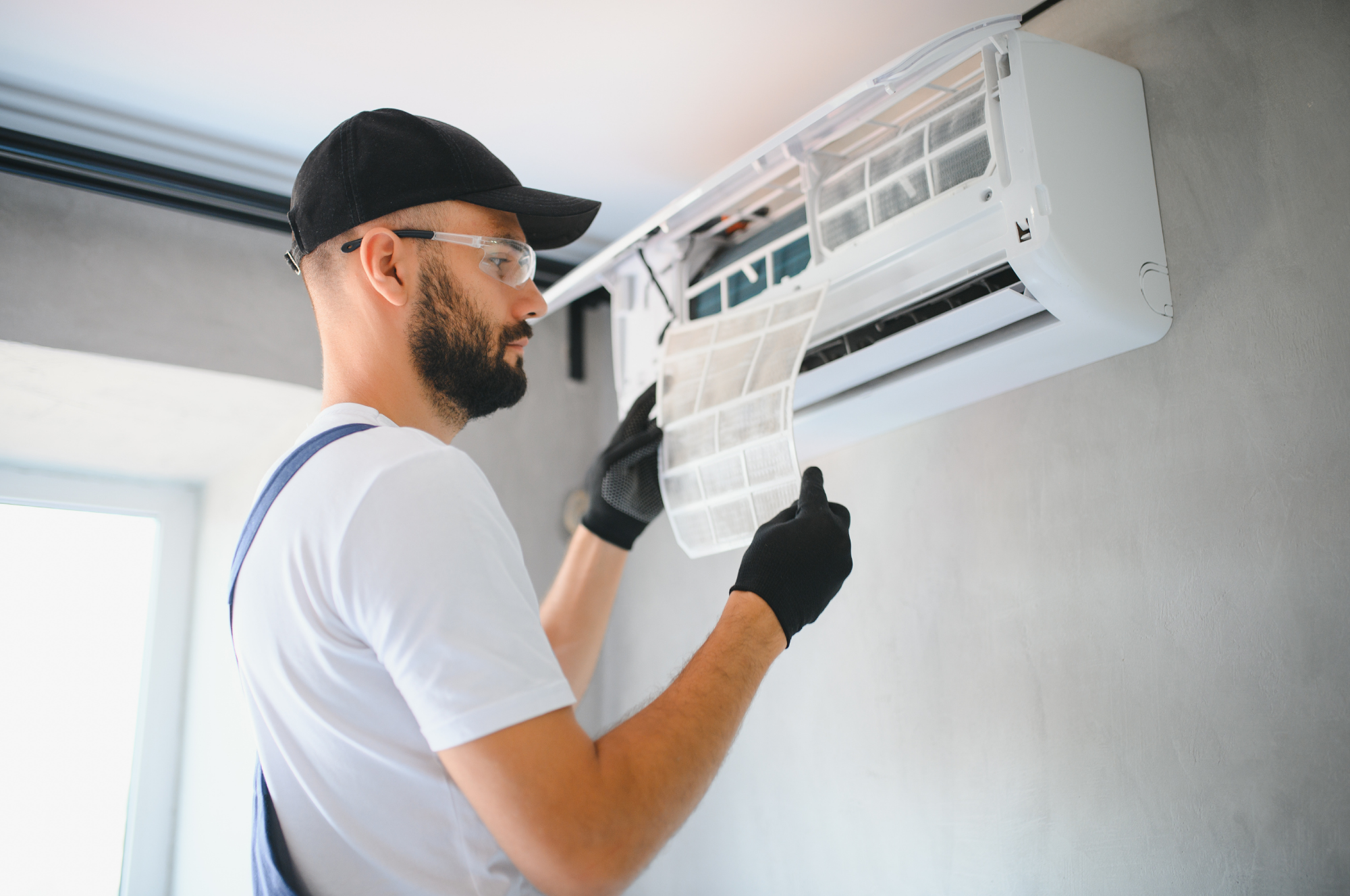
Changing air filters frequently improves airflow and reduces system strain.

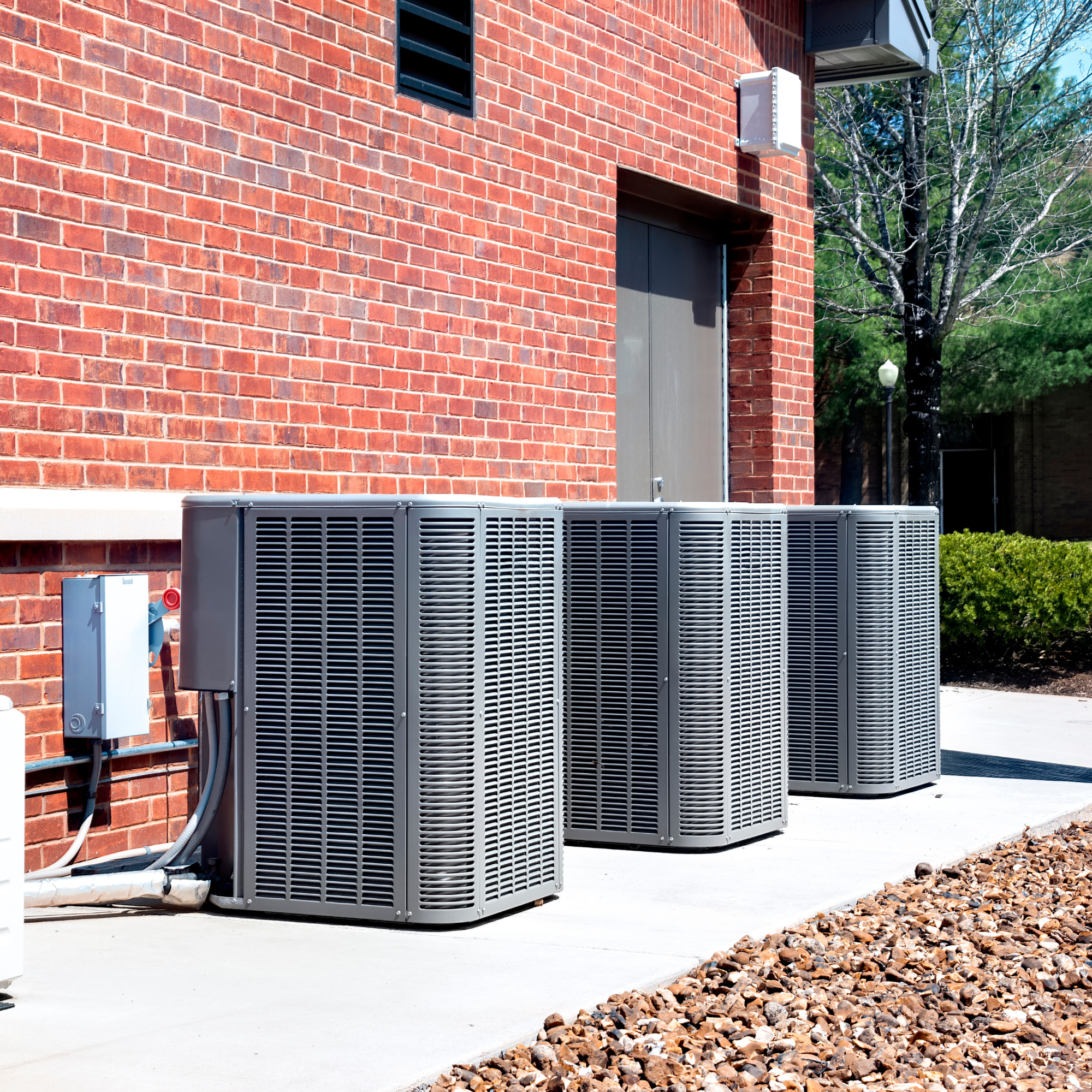
Keeping outdoor units clean and free from debris prevents overheating.

Installing smart thermostats can reduce unnecessary system operation.

These simple steps can add several years to an AC system’s lifespan.

Cost Considerations for AC Replacement in Florida

Replacing an AC system represents a major investment, but it also offers long-term savings.

New high-efficiency systems reduce energy consumption and provide better indoor comfort.

Modern units also include advanced humidity control, quieter operation, and improved reliability.

While upfront costs may seem high, long-term energy savings often offset replacement expenses.

Why Professional Evaluation Matters

Every home and system is different. Factors such as home size, insulation quality, and usage patterns influence system lifespan.

Professional technicians can assess system condition, efficiency levels, and repair history to recommend the best course of action.

Early evaluation helps homeowners plan replacement before emergencies occur.

Questions and Answers

How often do you have to replace AC in Florida?

Most systems require replacement every 10 to 15 years due to constant usage and climate conditions.

Can maintenance extend AC lifespan?

Yes. Regular maintenance significantly reduces wear and prevents major failures.

Is it worth repairing an older AC system?

Repairs may be worthwhile for newer systems, but replacement often becomes more economical for older units.

Why do AC systems fail faster in Florida?

Continuous operation, high humidity, and salt air exposure accelerate component wear.

What is the biggest sign an AC needs replacement?

Frequent breakdowns combined with rising energy bills usually indicate system decline.

Final Thoughts

Knowing how often you have to replace AC in Florida helps homeowners prepare financially and avoid unexpected failures. Because of the demanding climate, systems require more frequent replacement than in most other regions.

Routine maintenance, early problem detection, and professional guidance remain the most effective ways to maximize system lifespan and maintain indoor comfort.

Need Help With Your AC System?

If your air conditioner is aging, struggling to cool, or requiring frequent repairs, professional evaluation can help you decide whether repair or replacement is the best option.

City Air Conditioning Solutions provides expert inspections, maintenance, repair, and system replacement services across South Florida.

🌐 Visit: https://cityacs.com
We are ready to restore your comfort, day or night.
Leave a Reply

Your email address will not be published. Required fields are marked *