

How to Check if Your AC Is Under Warranty
By City Air Conditioning Solutions · Fort Lauderdale, FL · Licensed HVAC Experts Since 2012
Before you pay out of pocket for an AC repair, you need to know what's already covered. Here's exactly how to find your warranty, what it covers, what can void it, and how to actually use it.
There's a specific kind of frustration that comes with paying for an AC repair, and then finding out afterward that the broken part was under warranty the whole time. It happens more often than you'd think. Most homeowners have no idea what their air conditioner's warranty covers, when it expires, or where to even look for that information.
This guide fixes that. Whether your unit is brand new or a few years old, we'll walk you through exactly how to find out if your AC is still under warranty, what's actually covered, and what steps to take before you spend a dollar on repairs.
Step 1: Find Your AC's Model and Serial Number
Everything starts here. Your model and serial number are the two pieces of information that identify your specific unit and allow a manufacturer to look up its warranty status. Without these, you can't look up a single thing.
Here's where to find them:
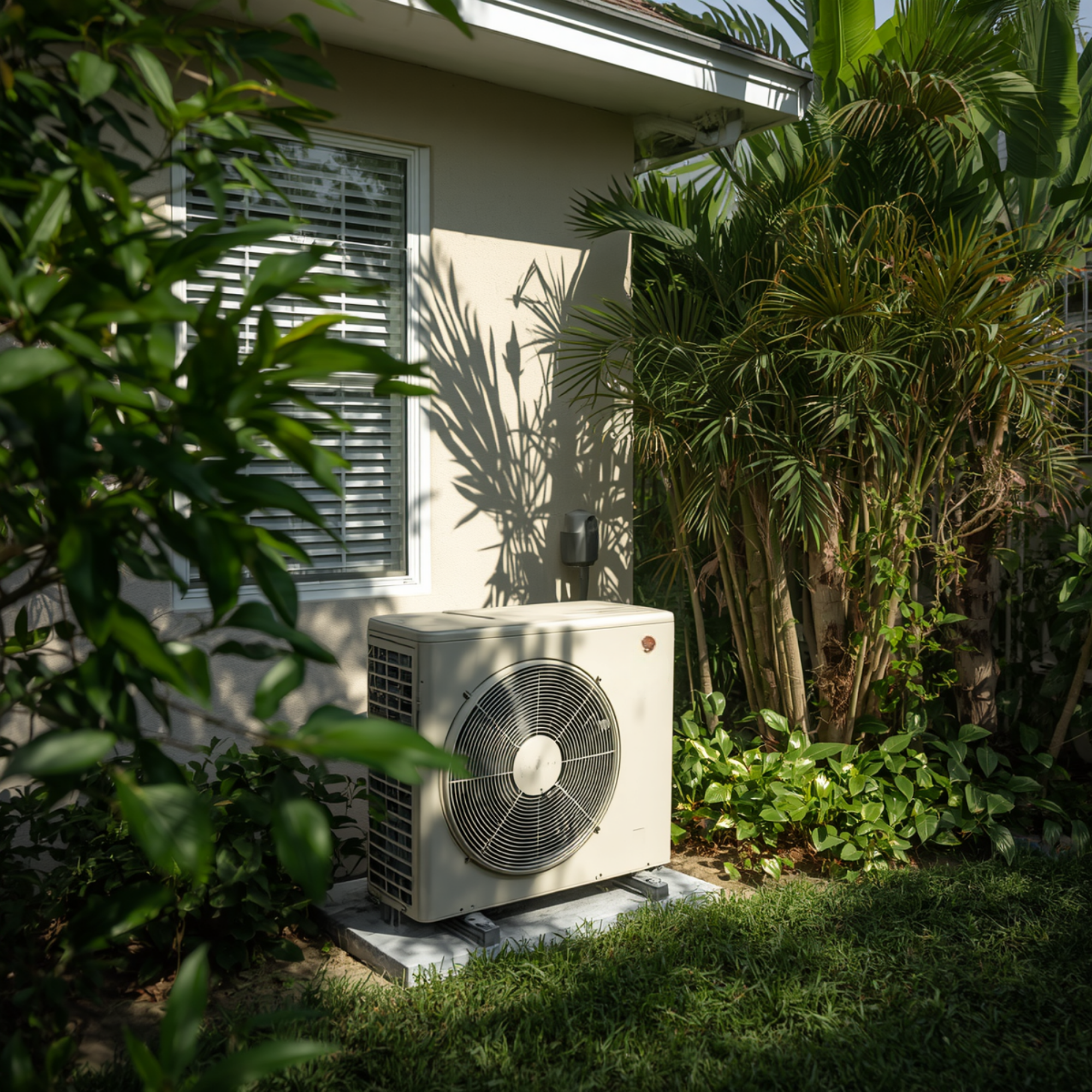
Outdoor Condenser Unit (the box outside your home)
Look for a metal nameplate sticker, usually on the side panel of the unit. It will list the model number, serial number, electrical specifications, and the refrigerant type. This is your primary source of information. Take a photo of it so you have it saved.
Indoor Air Handler (the unit inside your home)
This unit, typically in a closet, attic, or utility room, also has a nameplate sticker, usually on the side or inside the access panel. If your system has two separate components (a split system), each one may have its own warranty and its own registration requirement.
Your Installation Paperwork
If you installed the system yourself or had it installed when you bought or built your home, dig out the original paperwork. The model and serial numbers should be listed there, along with the installation date, which is critical for calculating warranty coverage.
Step 2: Determine Your AC Brand and Look Up the Warranty
Once you have your model and serial number, head to your manufacturer's website and look for a warranty registration or warranty lookup tool. Most major brands have one. Here's a quick reference for the most common AC brands found in South Florida homes:
| Brand | Standard Parts Warranty | Extended (if registered) | Warranty Lookup |
|---|---|---|---|
| Carrier | 5 years parts | 10 years parts | carrier.com/residential/en/us/support/warranty-lookup/ |
| Trane | 5 years parts | 10 years parts | trane.com/residential/en/resources/warranty/ |
| Lennox | 5 years parts | 10 years parts | lennox.com/lennox-home/support/warranty-registration |
| Rheem / Ruud | 5 years parts | 10 years parts | rheem.com/warranty-information/ |
| York | 5 years parts | 10 years parts | york.com/support/warranty-information/ |
| Goodman / Amana | 5–10 years parts | Lifetime compressor (select models) | goodmanmfg.com/resources/warranty.html |
| Daikin | 5 years parts | 12 years (registered) | daikincomfort.com/resources/warranty/ |
| American Standard | 5 years parts | 10 years parts | americanstandardair.com/support/warranty/ |
Most of these sites have a serial number lookup tool where you enter your number and it tells you the manufacture date and warranty status. If the online tool doesn't work or gives you unclear results, call the manufacturer's customer service line directly, they can look it up by serial number in under a minute.
Step 3: Check If Your Warranty Was Registered
This is where many homeowners get an unwelcome surprise. Almost every major AC manufacturer offers two levels of warranty: a baseline 5-year warranty that applies automatically, and an extended 10-year warranty, but only if the unit was registered with the manufacturer within 60 to 90 days of installation.
If you bought or built a home with an AC already installed, there's a real chance the previous owner never registered it, which means you might only have a 5-year warranty instead of 10, or you might find that the baseline warranty has already expired.
If you're not sure whether a unit was registered, call the manufacturer with the serial number. They can tell you whether registration is on file for that unit and when it was done.
Step 4: Understand What Your Warranty Actually Covers
A warranty isn't a blank check. Most AC warranties are parts-only warranties — meaning the manufacturer covers the cost of replacement components, but not the labor cost to install them. That labor cost comes out of your pocket unless you also have a separate labor warranty from the installing contractor.
What a standard manufacturer warranty typically covers:
- Compressor (usually the longest coverage — often 5–10 years)
- Evaporator and condenser coils
- Heat exchanger (on heat pump systems)
- Fan motors
- Other factory-specified parts that fail due to manufacturing defects
What's typically NOT covered by a manufacturer warranty:
- Labor costs to install the replacement part
- Refrigerant (the cost to refill it)
- Filters, belts, and other consumable parts
- Damage caused by improper installation
- Damage from power surges, floods, storms, or accidents
- Damage caused by neglect or lack of maintenance
- Cosmetic damage that doesn't affect function
Step 5: Know What Can Void Your Warranty
Warranty coverage isn't guaranteed just because your unit is within the coverage period. Manufacturers reserve the right to deny claims if certain conditions weren't met. These are the most common ways homeowners unknowingly void their warranty:
- Improper installation: If your unit was installed by an unlicensed contractor, many manufacturers will refuse a warranty claim. Always use a licensed HVAC contractor. In Florida, look for a CAC license (Certified Air Conditioning Contractor).
- Lack of maintenance: If a part failure can be traced back to neglected maintenance, like a compressor that failed because of dirty coils that were never cleaned, the manufacturer may deny coverage.
- Unauthorized modifications: Any changes to the unit that weren't approved by the manufacturer can void coverage.
- Wrong refrigerant type: Using a refrigerant not specified for your unit is a fast way to void the warranty and damage the system.
- Missing registration: For extended warranties, failure to register within the specified window drops you back to the shorter baseline coverage.
- Non-approved parts: Having repairs done with parts not approved by the manufacturer can void coverage going forward.
What About Contractor Labor Warranties?
Beyond the manufacturer warranty on the equipment itself, the contractor who installed your system may have offered a separate labor warranty. This is distinct from the parts warranty, it covers the technician's workmanship for a period of time after installation, typically 1 year.
If your AC is having issues within the first year of installation and you believe it's related to how the system was set up, refrigerant charge, electrical connections, ductwork, you may have a claim under the labor warranty rather than (or in addition to) the manufacturer parts warranty.
Dig out your original installation contract or invoice. Any labor warranty that was offered should be documented there.
Bought a Home with an Existing AC? Here's What to Do
This situation is extremely common in South Florida. You buy a home, there's already an AC unit running, and you have no idea how old it is, who installed it, or whether any warranty is still in effect.
Here's your action plan:
Find the Serial Number and Decode the Manufacture Date
The serial number often encodes the year and week of manufacture. The exact format varies by brand, but most manufacturer websites have a guide for reading the date of manufacture from the serial number. This tells you how old the unit actually is, which is more important than how long you've owned the house.
Call the Manufacturer with the Serial Number
Tell them you recently purchased a home with one of their units and you'd like to know the warranty status. They'll look it up in their system and tell you what coverage, if any, is still active, and whether it's transferable to you as the new owner.
Check if the Warranty Is Transferable
Some manufacturers allow warranty transfers to new homeowners, sometimes requiring a small fee and a transfer form submitted within a certain time frame after the home sale. Others do not allow transfers at all. Brands like Lennox, Carrier, and Trane each have different policies, worth checking directly with the manufacturer.
Schedule a Professional Inspection Regardless
Whether the unit is under warranty or not, having a licensed HVAC technician inspect a system you've just inherited is smart. They'll assess the unit's actual condition, identify anything that might cause problems soon, and give you a clear picture of what you're working with before you need emergency service.
How to File an AC Warranty Claim
If your unit is under warranty and something has failed, here's the process to get that coverage applied correctly:
- Call a licensed HVAC contractor (like City ACS) to diagnose the issue and identify the specific part that has failed.
- Get the part number and confirm it falls under warranty coverage, your technician can help with this.
- Contact the manufacturer with your unit's serial number, installation date, and a description of the failure. They will either authorize the warranty claim directly or walk you through the process.
- Have your maintenance records ready if asked, documenting that the unit has been properly maintained helps prevent the claim from being denied.
- Your contractor completes the repair using the warranty-covered part. You'll still be responsible for the labor cost in most cases.
Frequently Asked Questions
Not Sure What Your AC Warranty Covers?
Our team has handled hundreds of warranty repairs across Fort Lauderdale and Broward County. We'll diagnose your system, identify what's covered, and handle the manufacturer communication, so you're not paying for things you shouldn't have to.
Book a Diagnostic Appointment 📞 Call 561-592-5540Licensed & Insured · CAC 1822911 · 30+ Years Combined Experience · Same-Day Service Available